
Wondering what to expect during your first week with braces? Mild soreness usually starts a few hours after placement and peaks around days two and three, along with some lip and cheek awareness as your mouth gets used to the brackets. Most patients feel adjusted within about a week.
What Your First Week With Braces Really Feels Like
The first week with braces is a short adjustment period. Getting braces placed is painless, but you’ll notice mild soreness begin a few hours later as your teeth respond to gentle pressure. By days two and three that pressure peaks, and by day seven most patients barely notice their braces at all.
Here’s what’s normal during week one:
- Pressure and tender teeth when biting down, especially on front teeth
- Tongue awareness of the new brackets. Your tongue will explore constantly, and that’s normal.
- Lip and cheek sensitivity where brackets rub against soft tissue
- Slightly different speech for a few days as your mouth adapts
None of this is cause for alarm. It’s your body responding exactly as expected to a new orthodontic appliance. Dr. Sandifer, a board-certified orthodontist, and our team will go over what to expect at your placement visit so you know what’s coming and how to handle it. The discomfort is temporary, predictable and very manageable with the right preparation.
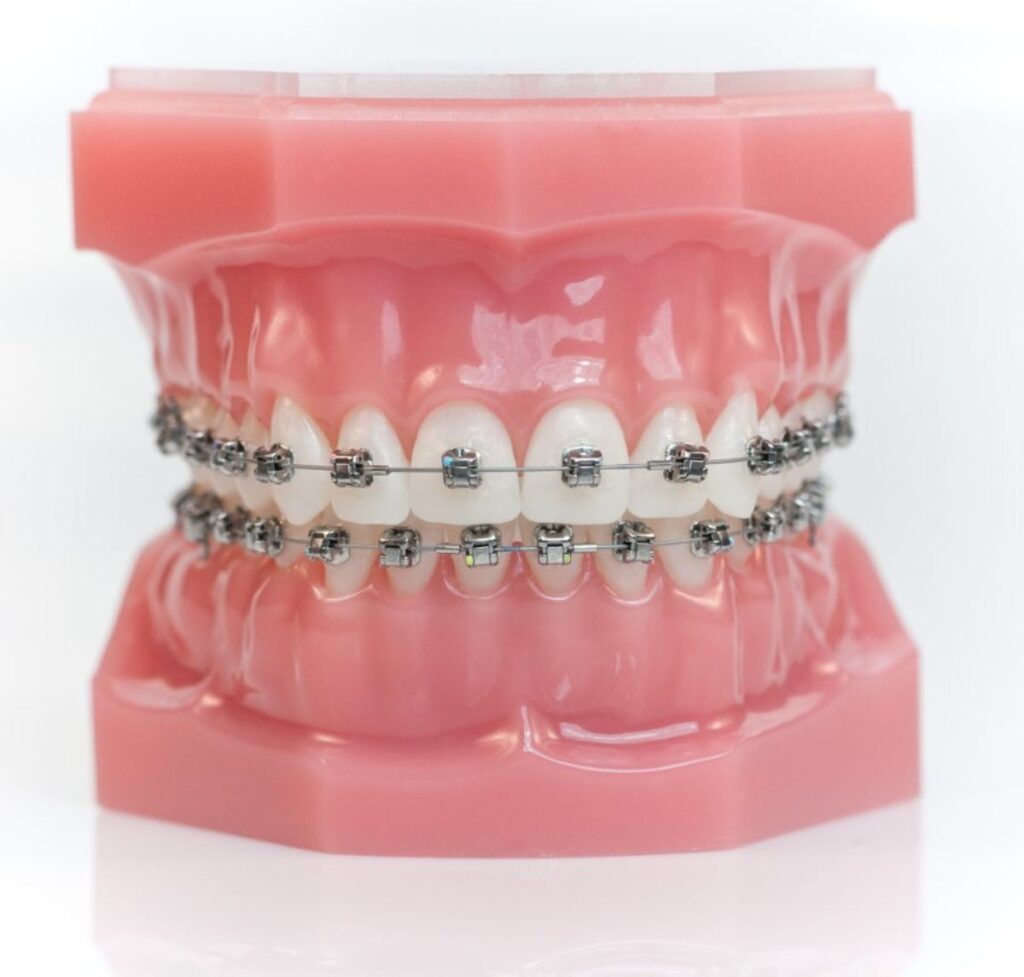
Day-by-Day Timeline: Your First 7 Days in Braces
Knowing what happens each day helps you stay ahead of any soreness and avoid surprises. Here’s a realistic look at your first week.
Day 1: Placement Day
The appointment itself doesn’t hurt. You’ll feel pressure and some pulling as brackets are bonded, but no sharp sensations. Head home, grab soft foods and enjoy a quiet evening. Soreness typically starts a few hours later.
Days 2-3: Peak Soreness
This is the toughest stretch, but it’s short. Your teeth feel tender when you bite, and your front teeth may be especially sensitive. Cold foods like smoothies, yogurt and ice cream help soothe the area. Over-the-counter pain relief, taken as directed, keeps you comfortable.
Days 4-5: Soreness Fades, Brackets Become More Noticeable
Tooth soreness drops off significantly. Now your attention shifts to the brackets themselves, which may rub against your lips or cheeks. This is when orthodontic wax helps most. Press a small ball of wax over any bracket causing irritation.
Days 6-7: Back to Normal (Mostly)
By the end of week one, most patients eat a wider range of foods comfortably, speak normally and forget the braces are even there. Any remaining tenderness is minor.
| Day | What You’ll Feel | What to Do |
|---|---|---|
| 1 | Pressure, mild awareness | Soft foods, relax |
| 2-3 | Peak soreness, tender teeth | Cold foods, over-the-counter pain relief, salt-water rinses |
| 4-5 | Bracket irritation on lips and cheeks | Apply orthodontic wax, continue soft foods |
| 6-7 | Mostly comfortable | Reintroduce normal foods slowly |
Benefits of Being Prepared for Week One
A little preparation goes a long way. When you know what’s coming, the first week feels a lot smoother. Here’s why preparing pays off:
- Less discomfort overall. Having soft foods ready, wax on hand and pain relief within reach keeps soreness from catching you off guard.
- Fewer unplanned visits. Hard and sticky foods are a common cause of broken brackets. Following our food guidelines helps you avoid extra trips back to the office.
- Stronger hygiene habits from day one. Learning to brush and floss around brackets right away helps prevent white spots (decalcification), which can leave permanent marks on your teeth after braces come off.
- Faster speech and eating adjustment. Practicing speech and chewing early helps your tongue and jaw adapt quickly.
- Less worry for teens and parents. When you know what’s normal and what isn’t, you don’t spend the week wondering.
- Staying on schedule. Protecting your braces from day one helps you avoid setbacks. Broken brackets can add time to your overall treatment.
A smooth first week sets the tone for the rest of your treatment.
Foods to Eat vs. Foods to Avoid Your First Week
Food is the biggest practical concern during week one. Your teeth are tender, and certain foods can damage brand-new brackets. Stick to soft options for the first three to five days, then slowly reintroduce normal foods as comfort returns.
| Safe Soft Foods | Foods to Avoid |
|---|---|
| Yogurt, pudding, applesauce | Ice (never chew it) |
| Smoothies and milkshakes | Popcorn and kernels |
| Mashed potatoes | Nuts and seeds |
| Scrambled eggs | Hard candy and lollipops |
| Soft pasta and noodles | Caramel, taffy, gummy candy |
| Soup (not too hot) | Chewing gum |
| Soft bread (no crust) | Crunchy taco shells |
| Steamed vegetables | Hard pretzels and chips |
| Ripe bananas, berries | Whole apples, raw carrots, corn on the cob |
| Ice cream and sorbet | Beef jerky and tough meats |
Tips for week one eating:
- Cold foods help. Ice cream, smoothies and yogurt soothe sore teeth while still giving you real nutrition.
- Cut, don’t bite. Apples, carrots and corn are fine if you cut them into small pieces and chew with your back teeth.
- Skip sticky and crunchy. These are the two kinds of food that break brackets most often.
- Reintroduce slowly. By day seven, most patients handle a nearly normal diet with smarter chewing habits.
Keep this list on your fridge during week one. It makes meal planning simple and keeps your brackets safe.
What to Have on Hand Your First Week
You don’t need a lot of extras to get through week one. A few simple supplies make the first days much easier:
- Orthodontic wax
- A soft-bristle toothbrush
- Floss threaders or orthodontic flossers
- Interdental brushes for cleaning around brackets
- Over-the-counter pain relief (follow the label directions)
- Salt for warm salt-water rinses
- Soft foods to stock the pantry
The biggest thing to protect against is a broken bracket. Repair visits take time away from work or school, and repeated breakage can stretch out your treatment. Following the food guidelines we give you at placement is the best way to keep everything on track.
Who Needs Extra Care During the First Week?
Most patients follow the same general week-one guidelines, but a few groups benefit from extra attention from Dr. Sandifer and our team.
- Athletes. If you play contact sports, a mouthguard that fits over braces matters. A standard boil-and-bite guard from the store may not fit safely over brackets, so ask Dr. Sandifer which option is right for you.
- Musicians who play wind or brass instruments. Expect a short adjustment period as your lips adapt. Extra wax across the front brackets helps, and most musicians are back to full playing ability within a few weeks.
- Teens worried about appearance. The first few days of self-consciousness fade quickly. Clear braces are an option for teens who want a more discreet look, so talk to Dr. Sandifer about what fits your lifestyle.
- Patients with naturally sensitive teeth. You may feel soreness a little longer or a little more strongly. Pain relief, more cold foods and regular salt-water rinses help bridge the first week.
- Patients starting with elastics or appliances right away. If your treatment plan includes rubber bands, expanders or other appliances from day one, you’ll get specific instructions at placement. Follow them closely, since these pieces are essential to your results.
If you fall into any of these groups, mention it at your first visit so we can tailor your week-one plan.
First Week With Braces: Frequently Asked Questions
When will I be able to bite down normally with braces?
Most patients bite down comfortably within about a week. The first few days, your teeth are tender and biting into firm foods feels uncomfortable. By the end of week one, that sensitivity fades and normal chewing returns, though you’ll still avoid hard and sticky foods for the rest of treatment.
How long does the pain last after first getting braces?
Soreness usually peaks on days two and three. By day five most patients feel real relief, and by day seven discomfort is minimal or gone. Over-the-counter pain relief, cold foods and warm salt-water rinses help.
What should I do if a wire pokes me?
First, try putting orthodontic wax over the spot. Roll a small ball of wax between your fingers, dry the bracket or wire with a tissue and press the wax into place. If the wire keeps bothering you, call Sandifer Orthodontics at 601-981-5004 and we’ll take a look.
Can I brush my teeth the same day I get braces?
Yes. You should brush gently the same day. Use a soft-bristle toothbrush and take your time around each bracket. Good hygiene from day one helps prevent plaque buildup and white spots, one of the most common long-term concerns with braces.
What are the stages of braces treatment?
Braces treatment typically moves through four stages. Placement is when the brackets are bonded and the first wire goes in. Alignment straightens and levels your teeth over several months. Detailing fine-tunes your bite and final tooth positions. Retention means wearing a retainer after your braces come off to hold your new smile in place.
When should I call my orthodontist?
Call us if a bracket breaks off, a wire pokes and wax isn’t helping, you have severe swelling or soreness doesn’t improve after about 10 days. Mild soreness, tongue awareness and minor lip irritation are all normal. When in doubt, reach out. We’d rather hear from you than have you worry at home.
Your first week with braces is short, predictable and very manageable when you know what to expect. At Sandifer Orthodontics, giving you a beautiful smile is Dr. Sandifer’s #1 priority, and that starts with making sure you feel prepared from day one.
Ready to start your smile journey? Visit our Jackson office at 4500 I-55 N. Frontage Rd., #247, or our Brandon office at 142 Gateway Dr. Call 601-981-5004 or book your free consult online. You’re family here, and we can’t wait to welcome you.